
Drinking More Water Isn't Always Enough: The Missing Piece of Hydration
Posted by Transfer Point on 25th Jun 2026
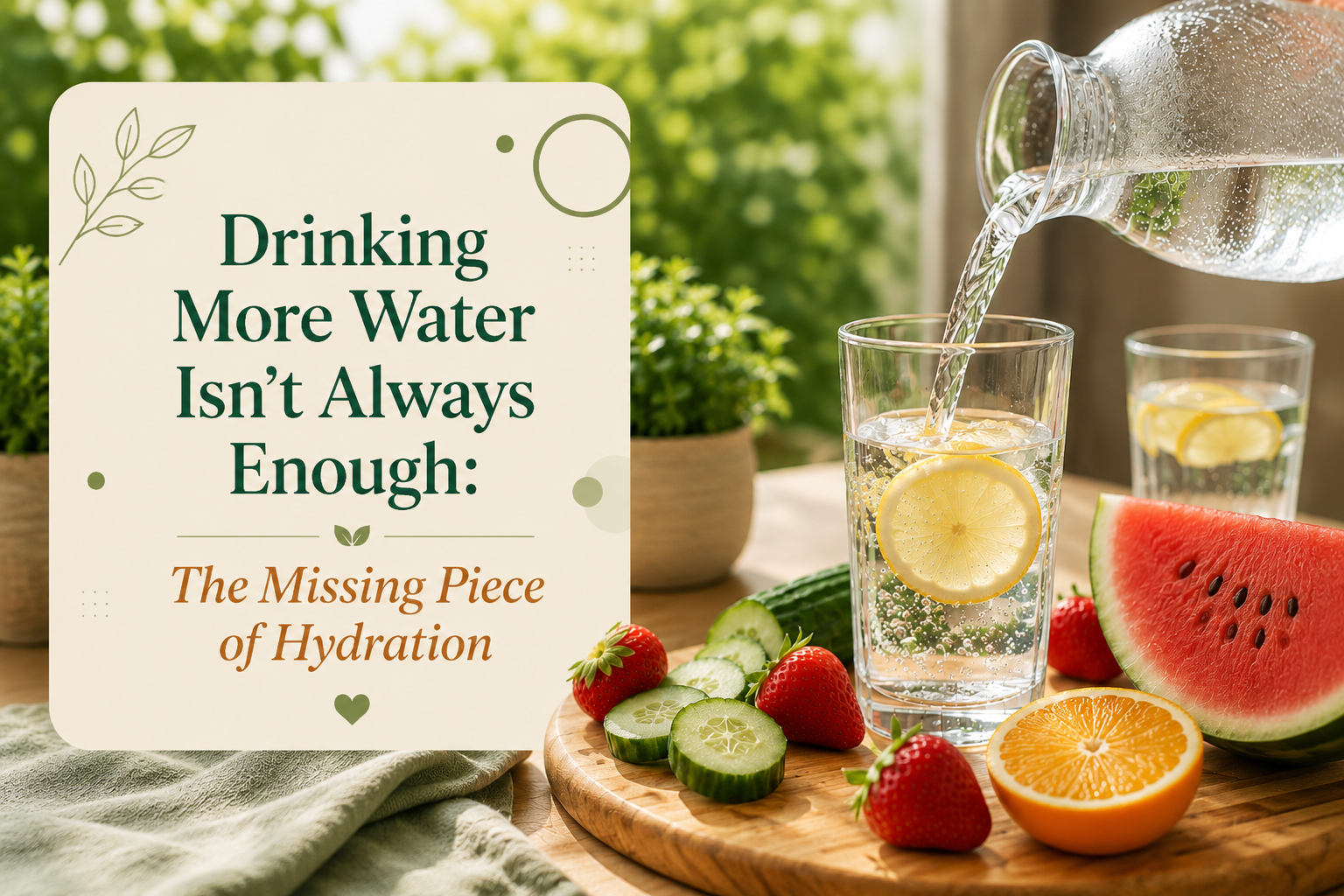
When summer temperatures rise, one piece of health advice seems to be everywhere: drink more water.
And it's good advice. Water plays an essential role in nearly every function of the body. Whether you're spending time gardening, taking a walk, enjoying outdoor activities with family, or simply trying to stay comfortable during hot weather, staying hydrated is important for overall wellness.
But hydration is about more than just the amount of water you drink.
Many people are surprised to learn that proper hydration also depends on maintaining a healthy balance of electrolytes. These important minerals help your body use and regulate fluids effectively.
Let's take a closer look at what hydration really means and why water is only part of the picture.
Why Hydration Matters
The human body is made up largely of water, which is why staying hydrated is so important for everyday wellness.
Water helps support:
- Normal body temperature regulation
- Nutrient transportation throughout the body
- Healthy digestion
- Physical performance
- Energy levels
- Overall cellular function
Even mild dehydration can leave you feeling sluggish, especially during the warmer months.
The good news is that maintaining healthy hydration habits doesn't have to be complicated.
Why Water Isn't the Whole Story
Most conversations about hydration focus exclusively on water intake. While drinking enough water is important, your body also relies on electrolytes to help maintain proper fluid balance.
Electrolytes are minerals that carry an electrical charge and help support several important functions throughout the body.
Some of the most well-known electrolytes include:
- Sodium
- Potassium
- Magnesium
- Calcium
These minerals help maintain fluid balance while also supporting normal muscle and nerve function.
Think of water as filling a swimming pool. Electrolytes help keep everything working behind the scenes so that water is distributed and used where your body needs it. Both are important parts of staying properly hydrated.
Understanding Sodium's Role in Hydration
In recent years, sodium has become a popular topic in wellness discussions, especially when people talk about hydration and electrolytes.
While sodium often gets a bad reputation, it is actually an essential electrolyte that the body needs in appropriate amounts.
One of sodium's primary roles is helping maintain fluid balance.
During hot weather or periods of increased sweating, your body loses both water and electrolytes. Replacing fluids is important, but so is maintaining a healthy balance of the minerals that support hydration.
When people talk about adding salt to support hydration, they are often referring to less processed mineral salts that contain trace minerals in addition to sodium, rather than highly refined table salt.
That doesn't mean everyone should increase their salt intake. Sodium needs vary from person to person, and factors like overall diet, activity level, and individual health all play a role.
If you have high blood pressure, kidney disease, or have been advised to follow a sodium-restricted diet, it's important to speak with your healthcare provider before making significant changes to your sodium intake.
Simple Tips for Better Summer Hydration
The goal isn't to drink as much water as possible. It's to build healthy habits that support hydration throughout the day.
Here are a few practical tips:
Drink Water Consistently
Instead of waiting until you're thirsty, sip water throughout the day. Small, consistent habits are often easier to maintain than trying to drink several large glasses all at once.
Eat Water-Rich Foods
Many fruits and vegetables naturally contribute to hydration.
Some great choices include:
- Watermelon
- Cucumbers
- Strawberries
- Oranges
- Lettuce
- Celery
Don't Forget Electrolytes
A balanced diet that includes foods containing potassium, magnesium, calcium, and appropriate amounts of sodium helps support healthy fluid balance.
Listen to Your Body
Everyone's hydration needs are different. Factors like the weather, physical activity, and time spent outdoors can all influence how much water your body needs.
Final Thoughts
When it comes to summer wellness, drinking enough water is one of the simplest habits you can build.
But true hydration involves more than water alone. Your body also relies on electrolytes to help maintain healthy fluid balance and support normal daily functions.
This summer, make hydration a daily habit by drinking water consistently, eating a balanced diet, and paying attention to your body's needs.
Sometimes the missing piece of hydration isn't drinking more water. It's understanding how water and electrolytes work together to support overall wellness.